Flat Feet and Podiatric Care

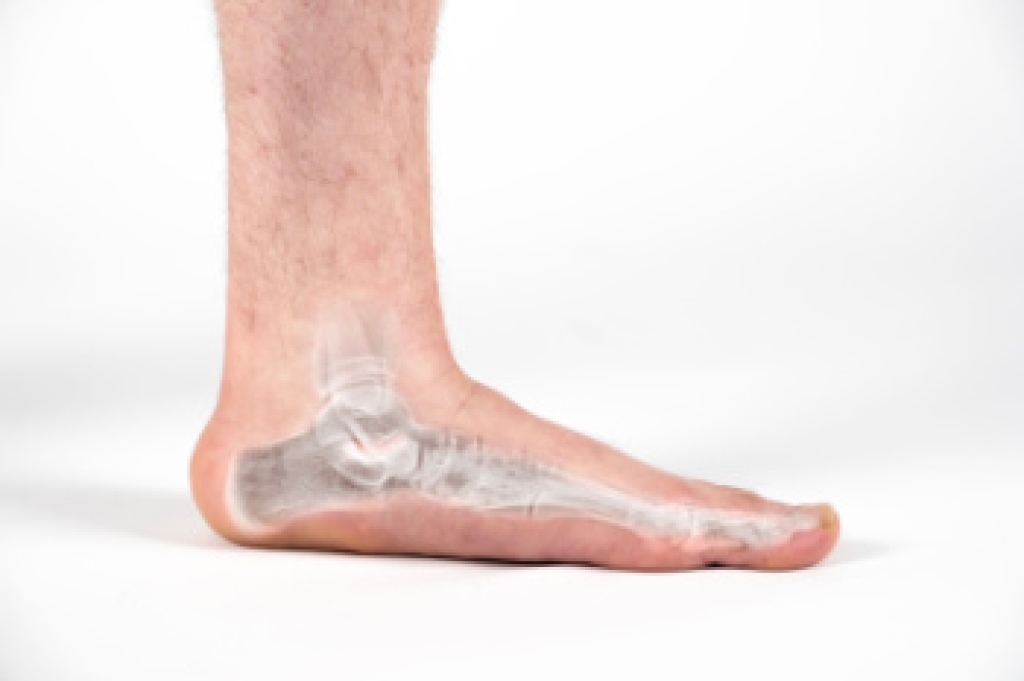
Flat feet develop when the arches along the inside of the feet are low or absent while standing. These arches help distribute body weight, maintain balance, and absorb shock with each step. Some people have flexible flat feet, where an arch appears when sitting or standing on tiptoes. Others have rigid flat feet, where the arch remains absent in every position. Flat feet do not always cause problems, but symptoms can develop when changes in foot structure place added stress on the feet and ankles.

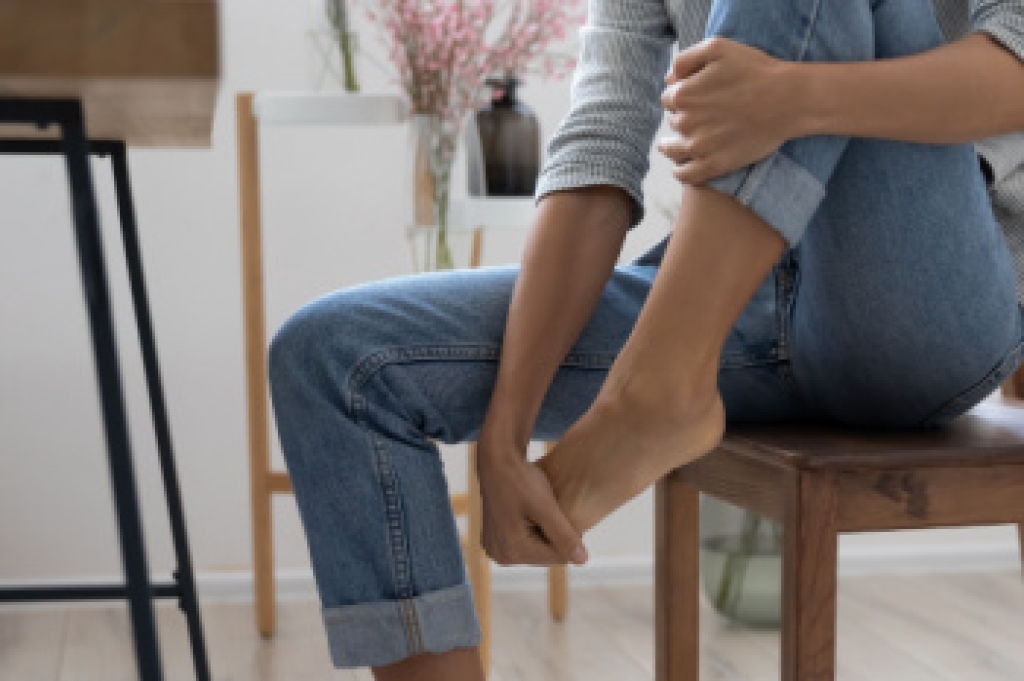
Flat feet can be present from childhood or develop later in life. In adults, fallen arches can be related to aging, injury, or wear and tear. Other risk factors include diabetes, obesity, and rheumatoid arthritis. Symptoms can include tired or aching feet after standing for long periods of time. Patients can also experience swelling along the inside of the foot or ankle. Pain can extend into the ankles, legs, or back. Changes in toe position or flexibility can also occur. A tight Achilles tendon can contribute to flat feet by affecting normal foot movement.

A podiatrist can examine the arches and determine whether flat feet are flexible or rigid. The evaluation can also assess walking patterns, foot alignment, and areas of pain. Treatment depends on the severity of symptoms and the underlying cause. A podiatrist can recommend custom orthotics to support the arches and improve how pressure is distributed across the feet. Treatment can also include targeted stretches or shoes with built-in arch support. Severe cases linked to structural problems can sometimes require surgery. Proper evaluation is especially important when fallen arches develop suddenly or begin interfering with comfortable movement. If you have pain from having flat feet, it is suggested that you schedule an appointment with a podiatrist for effective relief, treatment, and management tips.

Flatfoot is a condition many people suffer from. If you have flat feet, contact Dr. Kevin Davis from Davis Foot & Ankle Centers. Our doctor will treat your foot and ankle needs.

What Are Flat Feet?

Flatfoot is a condition in which the arch of the foot is depressed and the sole of the foot is almost completely in contact with the ground. About 20-30% of the population generally has flat feet because their arches never formed during growth.

Conditions & Problems:

Having flat feet makes it difficult to run or walk because of the stress placed on the ankles.

Alignment – The general alignment of your legs can be disrupted, because the ankles move inward which can cause major discomfort.

Knees – If you have complications with your knees, flat feet can be a contributor to arthritis in that area.  

Symptoms

  • Pain around the heel or arch area
  • Trouble standing on the tip toe
  • Swelling around the inside of the ankle
  • Flat look to one or both feet
  • Having your shoes feel uneven when worn

Treatment

If you are experiencing pain and stress on the foot you may weaken the posterior tibial tendon, which runs around the inside of the ankle. 

If you have any questions, please feel free to contact our office located in Springfield, TN . We offer the newest diagnostic and treatment technologies for all your foot care needs.
Read more about Flatfoot

What Causes Lumps on the Toe

A lump on the toe can develop for many reasons and may appear on the top, bottom, or side of the toe. The lump may feel hard, soft, or tender, depending on its cause. Some bumps are painless and remain small, while others can become painful while walking or wearing shoes. Common causes include bunions, tailor's bunions, and other structural changes. 

A bunion is a common source of a noticeable bump near the base of the big toe. It develops when the big toe gradually shifts toward the smaller toes while the joint moves outward. A tailor's bunion, also called a bunionette, develops near the base of the little toe, and can create a bump along the outside of the foot. Hallux rigidus is another possible cause of a hard bump near the big toe joint. This condition involves arthritis and stiffness of the joint, which can make bending the big toe painful or difficult. Symptoms may include redness, swelling, and discomfort when shoes press against the affected area.


Several factors can increase the likelihood of developing lumps on the toes. Genetics and inherited foot structure may contribute to bunions and other alignment problems. Shoes with a narrow toe box can place repeated pressure on the toes and may worsen existing deformities. Arthritis, abnormal foot mechanics, and prolonged standing can also contribute. People who develop recurring corns or calluses may notice thickened areas that feel like lumps. 


A podiatrist can examine a toe lump and determine whether it is related to bone alignment, joint changes, pressure, skin thickening, or another condition. The evaluation may include checking the location, joint movement, and overall foot structure. If you have a hard, soft, or growing lump on your toe, it is suggested that you consult a podiatrist for an accurate diagnosis and appropriate treatment.

Toe pain can disrupt your daily activities. If you have any concerns, contact Dr. Kevin Davis of Davis Foot & Ankle Centers. Our doctor can provide the care you need to keep you pain-free and on your feet.

What Causes Toe Pain?

Most severe toe pain is caused due to a sports injury, trauma from dropping something heavy on the toe, or bumping into something rigid. Other problems can develop over time for various reasons.

Toe pain can be caused by one or more ailments. The most common include:

  • Trauma
  • Sports injury
  • Wearing shoes that are too tight
  • Arthritis
  • Gout
  • Corns and calluses
  • Hammertoe
  • Bunions
  • Blisters
  • Ingrown toenails
  • Sprains
  • Fractures (broken bones)
  • Dislocations

When to See a Podiatrist

  • Severe pain
  • Persistent pain that lasts more than a week
  • Signs of infection
  • Continued swelling
  • Pain that prevents walking

Diagnosis

In many cases the cause of toe pain is obvious, but in others, a podiatrist may want to use more advanced methods to determine the problem. These can range from simple visual inspections and sensation tests to X-rays and MRI scans. Prior medical history, family medical history, and any recent physical traumatic events will all be taken into consideration for a proper diagnosis.

Treatment

Treatments for toe pain and injuries vary and may include shoe inserts, padding, taping, medicines, injections, and in some cases, surgery. If you believe that you have broken a toe, please see a podiatrist as soon as possible.

If you have any questions please contact our office located in Springfield, TN . We offer the newest diagnostic and treatment technologies for all your foot and ankle needs.

Read more about Toe Pain

How Overweight Runners Can Protect Their Feet

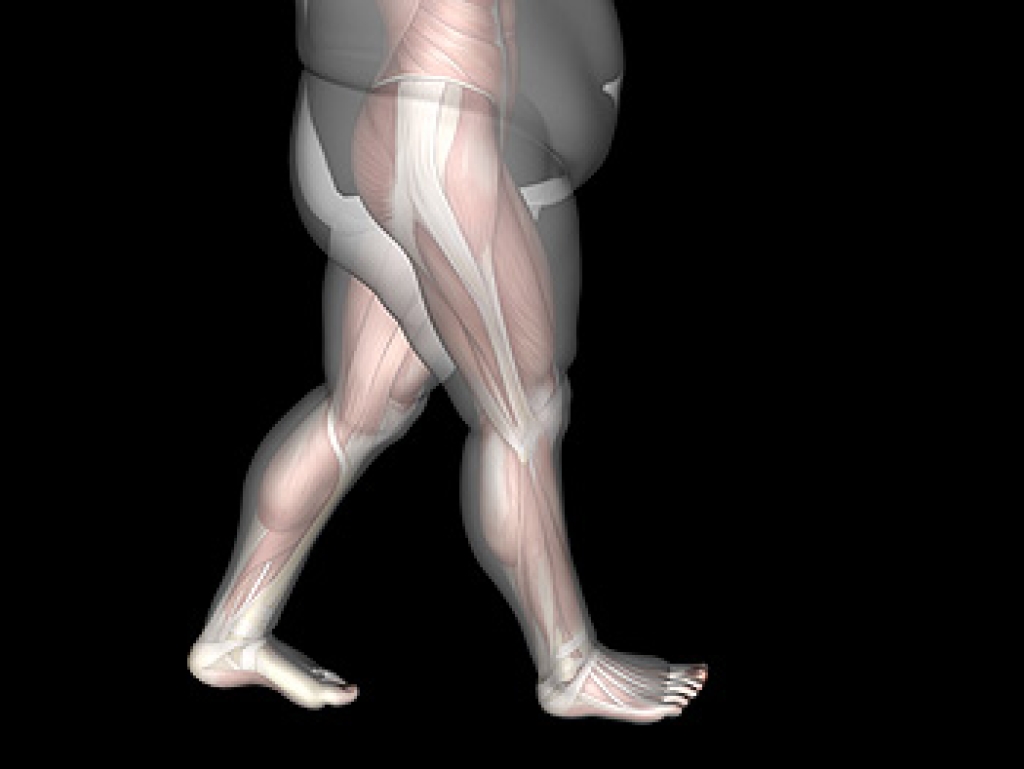
Running can improve heart health, endurance, and confidence, but running when overweight places greater force on the feet and ankles with each step. This does not mean that an overweight person should not run. A careful start can reduce strain and make this exercise more comfortable. Begin with short sessions that alternate brisk walking and easy running. Choose a flat, predictable surface rather than steep hills or uneven trails. Increase distance or speed gradually, but avoid raising both during the same week. Pain that changes your stride, causes swelling, or remains after a run deserves attention.

Proper running shoes are important because they help absorb impact and keep the feet stable. Shoes should fit the length and width of the foot without squeezing the toes or allowing the heel to slide. Replace shoes when the cushioning or tread becomes worn. Moisture-wicking socks can help limit blisters. A pre-run warmup prepares the muscles and joints for activity. Keep the pace slow enough to speak in short sentences, and schedule recovery days between runs. Stop running if sharp pain, dizziness, or unusual shortness of breath develops.

A podiatrist can examine the feet, ankles, and walking pattern before a new running program begins. The doctor can identify flat feet, limited joint movement, or areas under excess pressure. This evaluation can reveal problems that raise the chance of heel pain, tendon injuries, or stress fractures. A podiatrist can also recommend running shoes based on foot shape and gait. Custom orthotics can improve alignment and distribute pressure more evenly when appropriate. For an injury, the podiatrist can order imaging, explain activity limits, and create a plan for returning to running. Regular follow-up visits allow the doctor to check progress and adjust recommendations as mileage increases. If you are overweight and have developed foot pain while running, it is suggested that you schedule an appointment with a podiatrist for effective relief and guidance tips.

Exercising your feet regularly with the proper foot wear is a great way to prevent injuries. If you have any concerns about your feet, contact Dr. Kevin Davis of Davis Foot & Ankle Centers. Our doctor will treat your foot and ankle needs.

How to Prevent Running Injuries

Many common running injuries are caused by overuse and overtraining. When the back of the kneecap starts wearing out and starts causing pain in your knee, this is commonly referred to as runner’s knee. Runner’s knee is a decrease in strength in your quadriceps and can occur if you’re not wearing properly fitted or supporting shoes. To prevent runner’s knee, focusing on hip strengthening is a good idea, as well as strengthening your quads to keep the kneecaps aligned.

What Are Some Causes of Running Injuries? 
- One cause of a common running injury is called iliotibial band syndrome.
- Plantar fasciitis is also another common injury.
- Stress fractures can occur from overtraining, lack of calcium, or even your running style.

Best Ways to Prevent Running Injuries
- Wear footwear that fits properly and suits your running needs.
- Running shoes are the only protective gear that runners have to safeguard them from injury.
- Make a training schedule. Adding strengthening exercises as well as regular stretching can help keep you strong and limber and can lessen the possibility of injuries.
- Stretching keeps muscles limber; this will help you gain better flexibility.

If you have any questions, please feel free to contact our office located in Springfield, TN . We offer the newest diagnostic and treatment technologies for all your foot care needs.
Read more about Preventing Running Injuries

Cuboid Syndrome and Outside Foot Pain

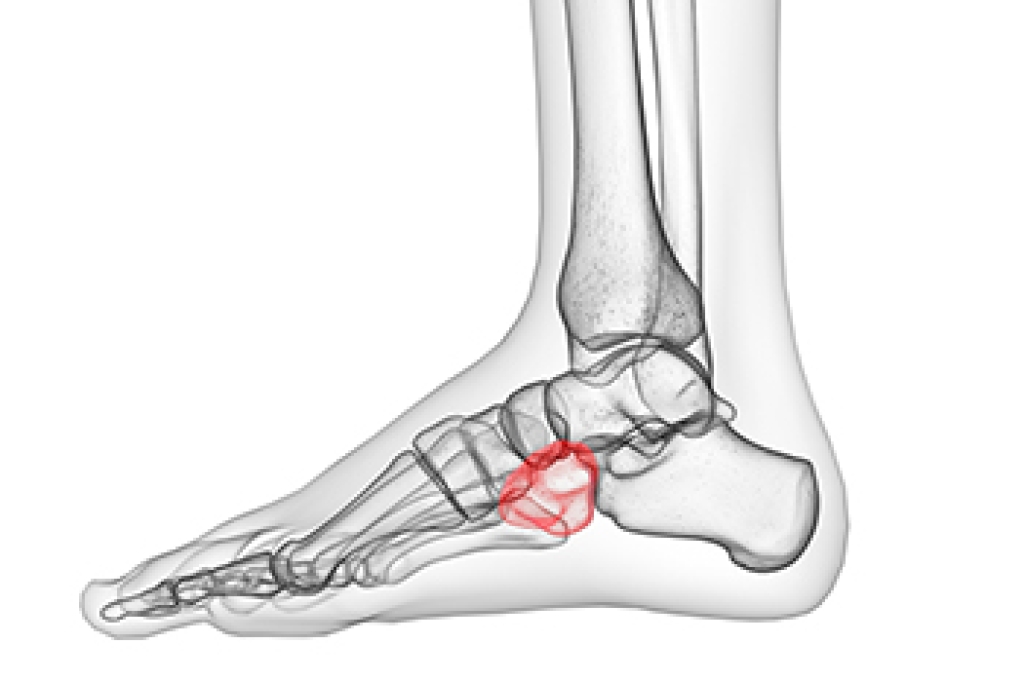
Cuboid syndrome can cause pain along the outside of the foot, near the little toe. The cuboid is a small bone in the middle of the foot that helps support movement and stability. Cuboid syndrome develops when this bone shifts partly out of its normal position. Pain can begin after a sudden injury or repeated stress on the foot. Symptoms include aching or sharp pain, difficulty walking, and swelling. Some patients also have reduced foot or ankle movement. Pain can become stronger when putting weight on the foot or pushing off the toes.

Overuse and ankle sprains are leading causes of cuboid syndrome. Running and other intense activities can place repeated stress on the joints of the foot. An inward-twisting ankle sprain can also disturb the position of the cuboid. People whose feet turn inward while walking can face a higher risk. Tight calf muscles can add stress to the cuboid area. Other risk factors include high-impact sports, uneven training surfaces, and wearing shoes that lack proper support. Because cuboid syndrome can resemble a stress fracture or other foot problem, an accurate evaluation is important.

A podiatrist can examine the foot, review how the pain started, and assess foot movement. The evaluation can also identify an ankle injury or abnormal foot mechanics that could be contributing to symptoms. Treatment can include manipulation to restore the cuboid's position, supportive taping, or padding to stabilize the middle of the foot. Orthotics can provide added support and improve foot alignment. A podiatrist can also recommend changes to activities and shoes to reduce repeated strain. Recovery depends on the severity and cause of the problem. If you have symptoms of cuboid syndrome, it is suggested that you schedule an appointment with a podiatrist for a diagnosis and appropriate treatment.

Cuboid syndrome, also known as cuboid subluxation, occurs when the joints and ligaments near the cuboid bone in the foot become torn. If you have cuboid syndrome, consult with Dr. Kevin Davis from Davis Foot & Ankle Centers. Our doctor will assess your condition and provide you with quality foot and ankle treatment.

Cuboid syndrome is a common cause of lateral foot pain, which is pain on the outside of the foot. The condition may happen suddenly due to an ankle sprain, or it may develop slowly overtime from repetitive tension through the bone and surrounding structures.

Causes

The most common causes of cuboid syndrome include:

  • Injury – The most common cause of this ailment is an ankle sprain.
  • Repetitive Strain – Tension placed through the peroneus longus muscle from repetitive activities such as jumping and running may cause excessive traction on the bone causing it to sublux.
  • Altered Foot Biomechanics – Most people suffering from cuboid subluxation have flat feet.

Symptoms

A common symptom of cuboid syndrome is pain along the outside of the foot which can be felt in the ankle and toes. This pain may create walking difficulties and may cause those with the condition to walk with a limp.

Diagnosis

Diagnosis of cuboid syndrome is often difficult, and it is often misdiagnosed. X-rays, MRIs and CT scans often fail to properly show the cuboid subluxation. Although there isn’t a specific test used to diagnose cuboid syndrome, your podiatrist will usually check if pain is felt while pressing firmly on the cuboid bone of your foot.

Treatment

Just as the range of causes varies widely, so do treatments. Some more common treatments are ice therapy, rest, exercise, taping, and orthotics.

If you have any questions, please feel free to contact our office located in Springfield, TN . We offer the newest diagnostic and treatment technologies for all your foot care needs.

Read more about All About Cuboid Syndrome

Reminder: When Was the Last Time...?

Custom orthotics, or shoe inserts, should be periodically replaced. Orthotics must fit properly to give you the best results. Protect your feet and ankles!

Connect With Us