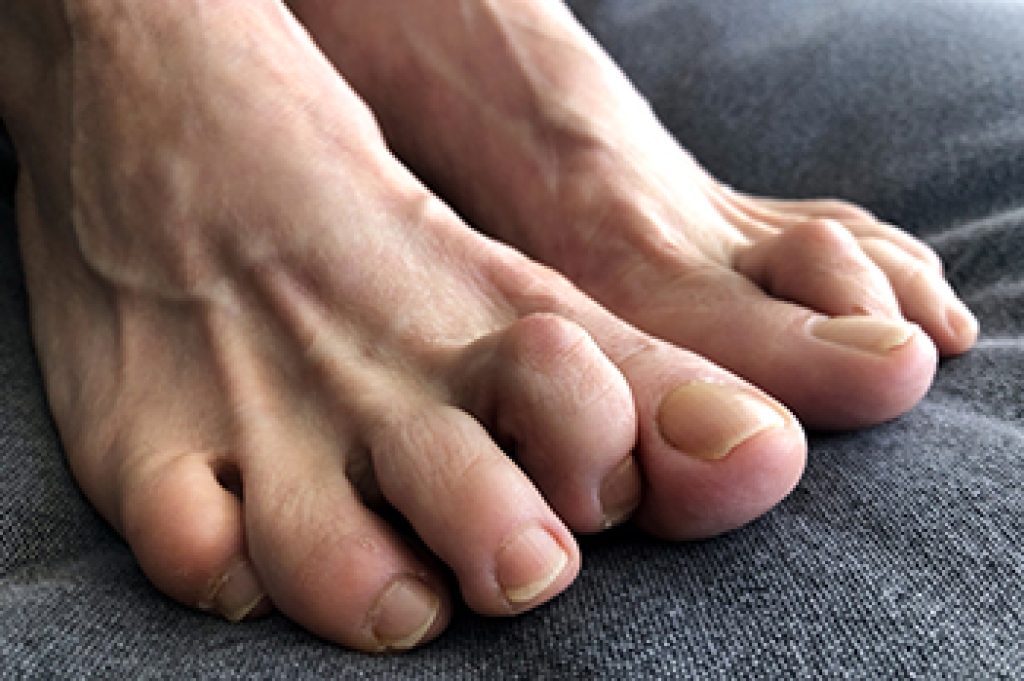
Bent Toes Can Signal a Hammertoe Deformity

A hammertoe deformity causes one of the smaller toes to bend at its middle joint instead of lying flat. The second toe is affected most frequently, although the condition can develop in other toes. It begins when the muscles and tendons that control the toe become unbalanced. This imbalance pulls the toe into an abnormal position. Possible causes include an inherited foot structure, a previous injury, or arthritis. A bunion can also push against the second toe and increase the risk of hammertoe. The joint can remain flexible at first but can later become stiff and fixed in place.

Symptoms usually develop when the bent toe rubs against the inside of a shoe. Patients can experience pain, redness, and swelling around the raised joint. A corn can form on top of the toe, while a callus can develop beneath the front of the foot. These thickened areas of skin result from repeated pressure and friction. Pain can become worse while walking or when wearing shoes with a narrow toe box. A podiatrist can examine the toe, test its flexibility, and check for related problems. Weight-bearing X-rays can show the position of the bones and the severity of the deformity.

Treatment depends on whether the toe is flexible or rigid and how much discomfort it causes. A podiatrist can recommend shoes with a deep, wide toe box to reduce pressure. Custom orthotics can improve the way weight is spread across the foot. Professional padding or splinting can also protect irritated skin and help position a flexible toe. The podiatrist can safely treat painful corns and calluses without damaging healthy tissue. Early care can help prevent increasing stiffness, skin sores, and continued pain. If you are in pain from a hammertoe deformity, it is suggested that you schedule an appointment with a podiatrist for a diagnosis and appropriate treatment.

Hammertoe

Hammertoes can be a painful condition to live with. For more information, contact Dr. Kevin Davis from Davis Foot & Ankle Centers. Our doctor will answer any of your foot- and ankle-related questions.

Hammertoe is a foot deformity that affects the joints of the second, third, fourth, or fifth toes of your feet. It is a painful foot condition in which these toes curl and arch up, which can often lead to pain when wearing footwear.

Symptoms

  • Pain in the affected toes
  • Development of corns or calluses due to friction
  • Inflammation
  • Redness
  • Contracture of the toes

Causes

Genetics – People who are genetically predisposed to hammertoe are often more susceptible

Arthritis – Because arthritis affects the joints in your toes, further deformities stemming from arthritis can occur

Trauma – Direct trauma to the toes could potentially lead to hammertoe

Ill-fitting shoes – Undue pressure on the front of the toes from ill-fitting shoes can potentially lead to the development of hammertoe

Treatment

Orthotics – Custom made inserts can be used to help relieve pressure placed on the toes and therefore relieve some of the pain associated with it

Medications – Oral medications such as anti-inflammatories or NSAIDs could be used to treat the pain and inflammation hammertoes causes. Injections of corticosteroids are also sometimes used

Surgery – In more severe cases where the hammertoes have become more rigid, foot surgery is a potential option

If you have any questions, please feel free to contact our office located in Springfield, TN . We offer the newest diagnostic and treatment technologies for all your foot care needs.
Read more about Hammertoe

Understanding Joint Pain and Foot Surgery

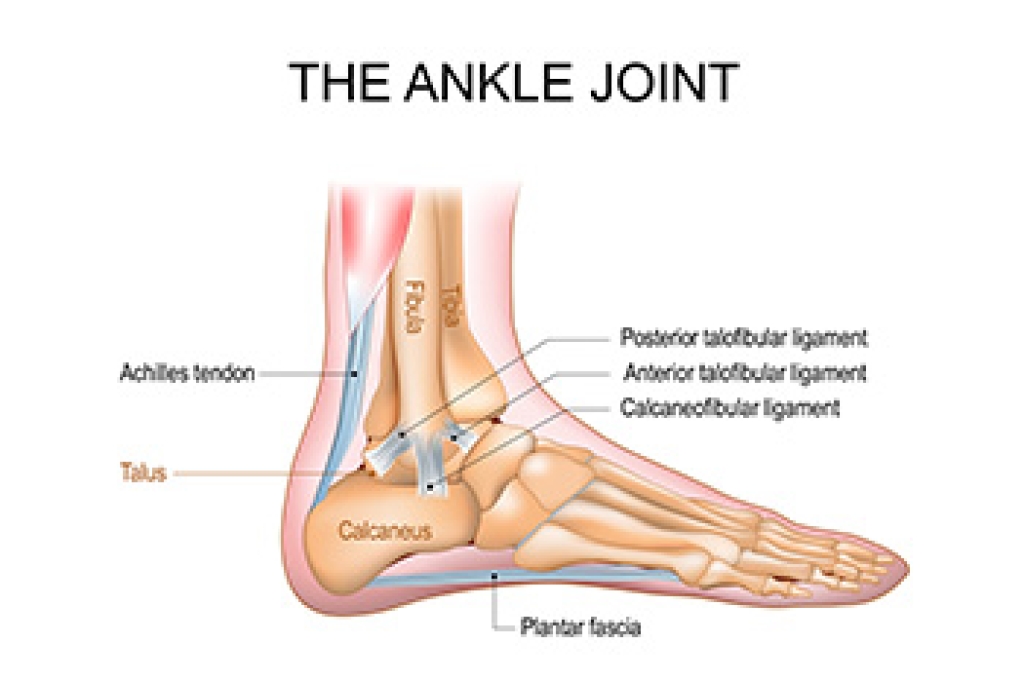
Joint pain in the foot or ankle can make movement difficult. Pain can develop when a joint becomes damaged from arthritis, an injury, a fracture, or another condition. Arthritis can wear down the tissue that helps bones move together. As this damage progresses, pain and stiffness can make it harder to walk, stand, or stay active. A podiatrist can examine the painful area, review your symptoms, and use imaging tests to determine what is affecting the joint. The goal is to identify the cause of pain and determine which treatment is appropriate.

When joint damage is severe, surgery may be considered. Joint replacement surgery removes damaged portions of a joint and replaces them with an artificial joint designed to restore movement. Joint replacement can improve pain, mobility, and quality of life. It also found that patient satisfaction can be affected by factors like pain control, mobility, and the cost of care. Because surgery is a major decision, a podiatrist can explain whether surgery is appropriate for a foot or ankle joint problem, and discuss what the procedure and recovery could involve. Your podiatrist can also monitor your condition and help coordinate the next steps when surgery is being considered.

Recovery after joint surgery is an important part of treatment. Early movement after surgery can help reduce complications and support a return to walking. Your podiatrist can provide follow-up care, monitor healing, and assess pain and movement. This foot doctor can any address concerns during recovery. Every patient has different needs, so the expected results and recovery process can vary. A careful evaluation can help you understand your options before deciding whether surgery is the right choice. If you have joint pain, it is suggested that you schedule an appointment with a podiatrist who can discuss the benefits of this type of foot surgery with you.

In certain cases, in which the patient suffers from extreme pain or damage in a joint, joint replacement surgery may be deemed useful. If you have constant pain in a foot joint, consult with Dr. Kevin Davis from Davis Foot & Ankle Centers. Our doctor will assess your condition and provide you with quality foot and ankle treatment.

What Is Joint Replacement Surgery?

Over time, joints wear down; this can be exacerbated by diseases and conditions. Joint replacement surgery, also known as arthroplasty, is when a damaged joint is surgically removed and replaced with a prosthesis. Prostheses, which can be made of ceramic, plastic, or metal, act as joints in lieu of an actual joint. One of the most prevalent causes for joint replacement is arthritis.

Arthritis in the Foot

Arthritis can occur in any joint in the body, including in the feet. Common types of arthritis in the foot are osteoarthritis, rheumatoid arthritis, and gout. The big toe is usually where arthritis occurs in the foot; this is known as hallux rigidus.

Joint Replacement Surgery in the Foot

The most common form of joint replacement in the foot is a first metatarsophalangeal (MTP) joint placement. MTP joint replacement surgery is designed to treat hallux rigidus. Surgery is not intensive, and recovery occurs within one to two months after the procedure has been done. Overall, joint replacement surgery is a safe and effective way to treat pain in the joint of the foot.

If you have any questions, please feel free to contact our office located in Springfield, TN . We offer the newest diagnostic and treatment technologies for all your foot care needs.

Read more about Joint Replacement Surgery

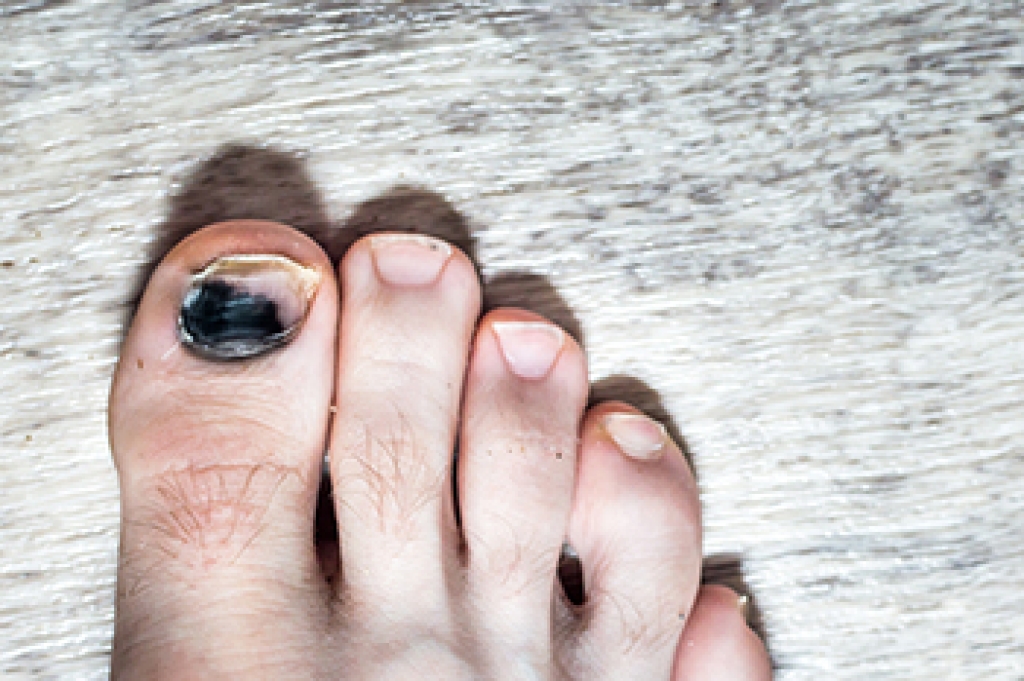
What Causes a Black Toenail?

A black toenail is a condition where the toenail becomes darkened or discolored due to changes under or within the nail. The discoloration may appear black, purple, or dark red, depending on the cause. A black toenail is often related to bleeding beneath the nail, known as a subungual hematoma, but it can also develop from other conditions. Understanding the causes and symptoms can help determine when professional evaluation is needed.

Symptoms of a black toenail may include dark discoloration, swelling, and pressure under the nail. In some cases, the nail may become loose or separate from the nail bed. Pain is common when blood collects under the nail and creates pressure. Some individuals may not experience discomfort, especially when discoloration develops gradually. Changes in nail appearance should be monitored because they may indicate trauma, infection, or another underlying concern.


The causes of a black toenail often involve repetitive trauma or blunt force injuries. Repetitive trauma commonly occurs in runners, hikers, and athletes when the toes repeatedly hit the inside of a shoe during activity. Wearing shoes that are too tight can increase pressure and cause irritation beneath the nail. Blunt force, such as dropping an object on the toe or stubbing the toe, can also damage blood vessels under the nail. Fungal infections may cause darkened or thickened nails and can sometimes contribute to nail discoloration.


Risk factors for developing a black toenail include participating in high-impact activities, wearing improper footwear, and experiencing repeated pressure on the toes. Individuals with circulation concerns or certain medical conditions may also require closer monitoring of nail changes. Properly fitted shoes, wearing protective footwear, and attention to foot care can help reduce the risk of injury. If you have a black toenail, it is suggested that you consult a podiatrist for effective relief and treatment solutions. 

Toe pain can disrupt your daily activities. If you have any concerns, contact Dr. Kevin Davis of Davis Foot & Ankle Centers. Our doctor can provide the care you need to keep you pain-free and on your feet.

What Causes Toe Pain?

Most severe toe pain is caused due to a sports injury, trauma from dropping something heavy on the toe, or bumping into something rigid. Other problems can develop over time for various reasons.

Toe pain can be caused by one or more ailments. The most common include:

  • Trauma
  • Sports injury
  • Wearing shoes that are too tight
  • Arthritis
  • Gout
  • Corns and calluses
  • Hammertoe
  • Bunions
  • Blisters
  • Ingrown toenails
  • Sprains
  • Fractures (broken bones)
  • Dislocations

When to See a Podiatrist

  • Severe pain
  • Persistent pain that lasts more than a week
  • Signs of infection
  • Continued swelling
  • Pain that prevents walking

Diagnosis

In many cases the cause of toe pain is obvious, but in others, a podiatrist may want to use more advanced methods to determine the problem. These can range from simple visual inspections and sensation tests to X-rays and MRI scans. Prior medical history, family medical history, and any recent physical traumatic events will all be taken into consideration for a proper diagnosis.

Treatment

Treatments for toe pain and injuries vary and may include shoe inserts, padding, taping, medicines, injections, and in some cases, surgery. If you believe that you have broken a toe, please see a podiatrist as soon as possible.

If you have any questions please contact our office located in Springfield, TN . We offer the newest diagnostic and treatment technologies for all your foot and ankle needs.

Read more about Toe Pain

Plantar Warts Can Be Treated!

Plantar warts are small growths that develop on parts of the feet that bear weight. They're typically found on the bottom of the foot. Don't live with plantar warts, and call us today!

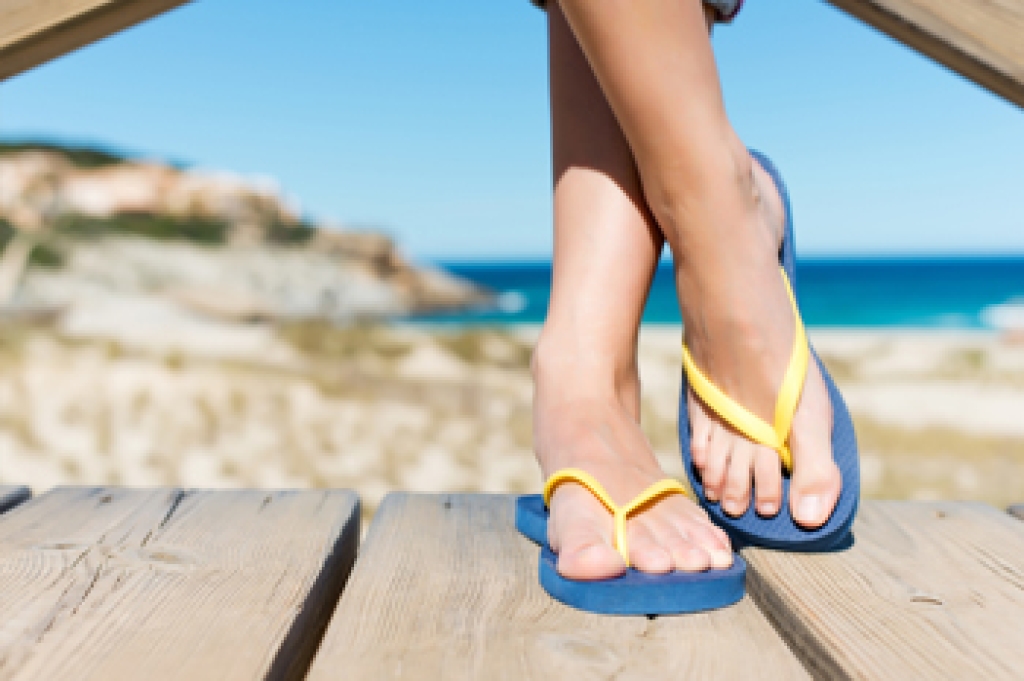
What You Should Know Before Wearing Flip-Flops

Flip-flops are a popular choice for warm weather because they are lightweight and easy to wear. Although they are convenient, they are not designed to provide the same support as well-made walking shoes. Most flip-flops have thin soles and very little arch support. They also require the toes to grip the sandal while walking, which can place extra strain on the muscles and tendons of the foot. Wearing flip-flops for long periods of time can increase the risk of heel pain, arch pain, and tendon irritation. They also provide very little protection from sharp objects or uneven ground. Patients who already have bunions, flat feet, or plantar fasciitis can notice that their symptoms become worse when wearing flip-flops too frequently.

A podiatrist can evaluate foot pain that develops after wearing flip-flops and determine whether another condition is responsible for the discomfort. The examination includes checking foot alignment, flexibility, and muscle strength. The podiatrist also observes how the patient stands and walks to identify movement problems that increase stress on the feet. Shoes that lack proper support can change the way the foot moves and place extra pressure on the heel, arch, and toes. A complete evaluation helps identify the source of the pain and allows the podiatrist to recommend the most appropriate treatment. Early diagnosis can help prevent minor problems from becoming more serious.

Treatment depends on the patient's symptoms and the condition affecting the foot. A podiatrist can recommend shoes that provide better support for daily activities while reducing unnecessary strain on the feet. Care also includes custom orthotics that improve foot alignment and distribute pressure more evenly. Patients with ongoing pain can benefit from stretching and strengthening exercises that improve stability and flexibility. In rare cases, severe damage to tendons or joints can require surgery to restore normal foot function. If you have foot pain related to wearing flip-flops, it is suggested that you schedule an appointment with a podiatrist for a diagnosis and appropriate treatment.

Flip-flops can cause a lot of problems for your feet. If you have any concerns about your feet or ankles, contact Dr. Kevin Davis from Davis Foot & Ankle Centers. Our doctor will assist you with all of your foot and ankle needs.

Flip-Flops and Feet

Flip-flops have managed to become a summer essential for a lot of people. While the shoes may be stylish and easy to slip on and off, they can be dangerous to those who wear them too often. These shoes might protect you from fungal infections such as athlete’s foot, but they can also give you foot pain and sprained ankles if you trip while wearing them.

When Are They Okay to Wear?

Flip-flops should only be worn for very short periods of time. They can help protect your feet in places that are crawling with fungi, such as gym locker rooms. Athlete’s foot and plantar warts are two common fungi that flip-flops may help protect your feet against.

Why Are They Bad for My Feet?

These shoes do not offer any arch support, so they are not ideal for everyday use. They also do not provide shock absorption or heel cushioning which can be problematic for your feet. Additionally, you may suffer from glass cuts, puncture wounds, and stubbed toes since they offer little protection for your feet.

More Reasons Why They Are Bad for Your Feet

  • They Slow You Down
  • May Cause Blisters and Calluses
  • Expose Your Feet to Bacteria

If you have any questions, please feel free to contact our office located in Springfield, TN . We offer the newest diagnostic and treatment technologies for all your foot care needs.
Read more about Flip Flops and Your Feet

Connect With Us