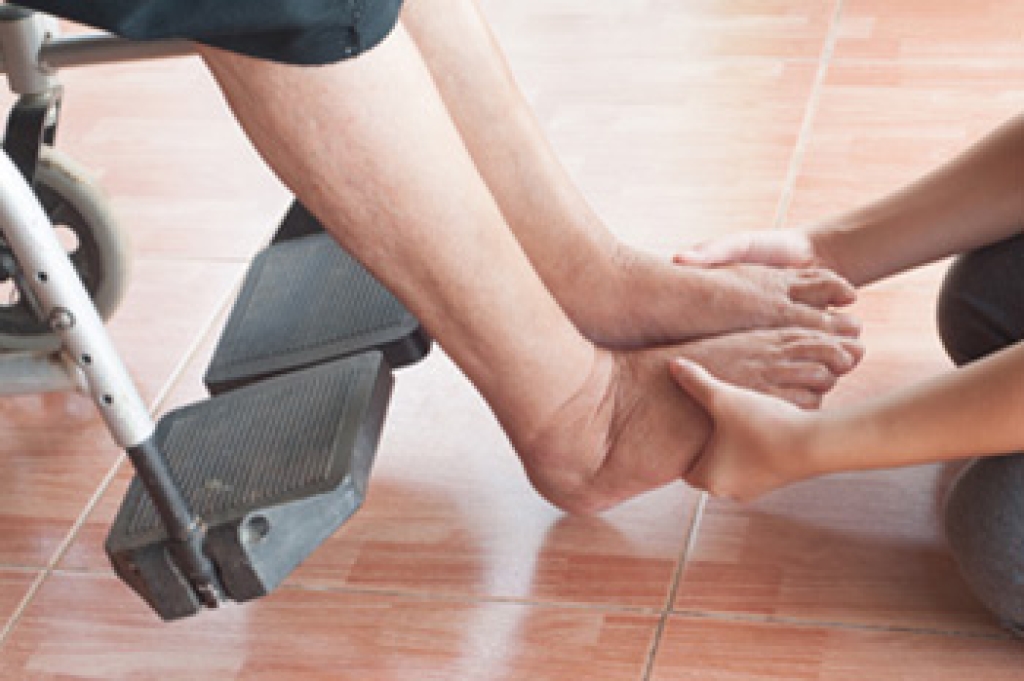
Why Aging Feet Need a Different Kind of Attention

Feet change quietly with age, often long before pain appears. Skin becomes thinner and drier, making cracks and wounds more likely. Fat pads that once cushioned the foot slowly shrink, increasing pressure on bones and joints. Nails may thicken or curve, turning simple trimming into a challenge. Circulation can slow, which affects healing and temperature regulation. Balance changes may also alter how weight moves through the foot, leading to calluses, soreness, or instability. These shifts are easy to overlook because they develop gradually and feel like a normal part of aging. However, untreated foot problems can reduce mobility and independence, over time. Regular evaluation helps catch concerns early and supports safer walking. If walking becomes uncomfortable or skin changes appear, it is suggested you see a podiatrist for these foot-related concerns.

If you need your feet checked, contact Dr. Kevin Davis of Davis Foot & Ankle Centers. Our doctor will attend to all of your foot and ankle needs and provide you with quality treatment.

Geriatrics and Podiatry
When people age, some common issues that may occur are bone density loss, dry skin, poor circulation, and rough brittle nails. These issues may also affect your foot health if the necessary steps are not taken to alleviate the problems.

It is important to take care of your feet because feet that are injured or diseased can affect your overall health. Having painful feet hinders your ability to do daily activities or may decrease your willingness to do the things that you need to do.

Visiting Your Geriatrician
As we age, health problems become more likely, so it is essential to visit your doctor for check-ups to ensure that you are doing the best you can to take care of your health. It is recommended to check your feet frequently for any possible cuts, bruises, swelling, corns or any other irregularities. 

Taking Care of Elderly Feet
Cracked or dry feet can be treated by applying moisturizer often. It is also important not to wear old socks because the older the sock is, the higher the possibility there will be that there is bacteria there. Wear fresh socks and make sure they fit properly.

Proper foot health means that you can have a more active lifestyle and you will not be bogged down by pain. Foot health also leads to good circulation, which is paramount for overall health.

If you have any questions, please feel free to contact our office located in Springfield, TN . We offer the newest diagnostic and treatment technologies for all your foot care needs.


Read more about Geriatrics and Podiatry

Foot Neuropathy and the Risk of Falling

Peripheral neuropathy affects the nerves that carry signals between the feet and the brain. When these nerves are damaged, sensation in the feet may become reduced, altered, or unpredictable. People may not fully feel the ground, notice changes in surface texture, or sense foot position during walking. This loss of feedback can interfere with balance and coordination, increasing the risk of tripping or falling. Muscle weakness and slower reaction times can further add to instability. A podiatrist plays an important role in evaluating nerve function and identifying contributing factors. Treatment may include footwear guidance, custom orthotics, balance-focused exercises, and strategies to protect numb areas of the feet. Early care helps improve safety, maintain confidence with walking, and reduce fall-related injuries that can significantly impact mobility and independence. If you are experiencing neuropathy in your lower extremities, it is suggested that you visit a podiatrist for relief options.

Neuropathy

Neuropathy can be a potentially serious condition, especially if it is left undiagnosed. If you have any concerns that you may be experiencing nerve loss in your feet, consult with Dr. Kevin Davis from Davis Foot & Ankle Centers. Our doctor will assess your condition and provide you with quality foot and ankle treatment for neuropathy.

What Is Neuropathy?

Neuropathy is a condition that leads to damage to the nerves in the body. Peripheral neuropathy, or neuropathy that affects your peripheral nervous system, usually occurs in the feet. Neuropathy can be triggered by a number of different causes. Such causes include diabetes, infections, cancers, disorders, and toxic substances.

Symptoms of Neuropathy Include:

  • Numbness
  • Sensation loss
  • Prickling and tingling sensations
  • Throbbing, freezing, burning pains
  • Muscle weakness

Those with diabetes are at serious risk due to being unable to feel an ulcer on their feet. Diabetics usually also suffer from poor blood circulation. This can lead to the wound not healing, infections occurring, and the limb may have to be amputated.

Treatment

To treat neuropathy in the foot, podiatrists will first diagnose the cause of the neuropathy. Figuring out the underlying cause of the neuropathy will allow the podiatrist to prescribe the best treatment, whether it be caused by diabetes, toxic substance exposure, infection, etc. If the nerve has not died, then it’s possible that sensation may be able to return to the foot.

Pain medication may be issued for pain. Electrical nerve stimulation can be used to stimulate nerves. If the neuropathy is caused from pressure on the nerves, then surgery may be necessary.

If you have any questions, please feel free to contact our office located in Springfield, TN . We offer the newest diagnostic and treatment technologies for all your foot care needs.

Read more about Neuropathy

Understanding Pinky Toe Pain

Pinky toe pain can interfere with walking, balance, and daily activities, often resulting from injuries or repetitive stress. Common causes include a broken toe from direct trauma, a stress fracture from overuse, or a dislocated toe from sudden impact or awkward movement. Symptoms include swelling, bruising, tenderness, and difficulty putting weight on the foot. Ignoring pain in the pinky toe can lead to long-term complications, including improper alignment or chronic discomfort. A podiatrist can evaluate the injury, perform imaging, if needed, and recommend splinting, protective footwear, or therapy to restore function. If you are experiencing pain, swelling, or difficulty in moving your pinky toe, it is suggested that you consult a podiatrist who can determine what the cause is, and offer effective relief and treatment solutions.

Toe pain can disrupt your daily activities. If you have any concerns, contact Dr. Kevin Davis of Davis Foot & Ankle Centers. Our doctor can provide the care you need to keep you pain-free and on your feet.

What Causes Toe Pain?

Most severe toe pain is caused due to a sports injury, trauma from dropping something heavy on the toe, or bumping into something rigid. Other problems can develop over time for various reasons.

Toe pain can be caused by one or more ailments. The most common include:

  • Trauma
  • Sports injury
  • Wearing shoes that are too tight
  • Arthritis
  • Gout
  • Corns and calluses
  • Hammertoe
  • Bunions
  • Blisters
  • Ingrown toenails
  • Sprains
  • Fractures (broken bones)
  • Dislocations

When to See a Podiatrist

  • Severe pain
  • Persistent pain that lasts more than a week
  • Signs of infection
  • Continued swelling
  • Pain that prevents walking

Diagnosis

In many cases the cause of toe pain is obvious, but in others, a podiatrist may want to use more advanced methods to determine the problem. These can range from simple visual inspections and sensation tests to X-rays and MRI scans. Prior medical history, family medical history, and any recent physical traumatic events will all be taken into consideration for a proper diagnosis.

Treatment

Treatments for toe pain and injuries vary and may include shoe inserts, padding, taping, medicines, injections, and in some cases, surgery. If you believe that you have broken a toe, please see a podiatrist as soon as possible.

If you have any questions please contact our office located in Springfield, TN . We offer the newest diagnostic and treatment technologies for all your foot and ankle needs.

Read more about Toe Pain

Exercises Play a Role in Ankle Sprain Recovery

An ankle sprain occurs when the ligaments, which are strong bands of tissue that connect bones, are stretched or torn after the foot rolls or twists. Symptoms often include pain, swelling, bruising, and difficulty bearing weight. Recovery time depends on severity, ranging from a few weeks for mild ligament stretching to several months for more serious tears. Exercise plays a key role in proper long-term healing. Early movement exercises help restore range of motion, which means how far and smoothly the joint can move. As healing progresses, strengthening exercises work to rebuild muscle support around the ankle, allowing it to move up and down. Balance training is also important to improve stability and prevent the ankle from repeatedly giving out, known as chronic ankle instability. A podiatrist can evaluate the sprain, order imaging to rule out fractures, provide bracing, and design a structured rehabilitation plan. If you have sprained an ankle, it is suggested that you make an appointment with a podiatrist for an exam, diagnosis, and treatment.

Although ankle sprains are common, they aren’t always minor injuries. If you need your ankle injury looked at, contact Dr. Kevin Davis from Davis Foot & Ankle Centers. Our doctor can provide the care you need to keep you pain-free and on your feet.

How Does an Ankle Sprain Occur?

Ankle sprains are the result of a tear in the ligaments within the ankle. These injuries may happen when you make a rapid shifting movement while your foot is planted. A less common way to sprain your ankle is when your ankle rolls inward while your foot turns outward.

What Are the Symptoms?

  • Pain at the sight of the tear
  • Bruising/Swelling
  • Ankle area is tender to touch
  • In severe cases, may hear/feel something tear
  • Skin discoloration

Preventing a Sprain

  • Wearing appropriate shoes for the occasion
  • Stretching before exercises and sports
  • Knowing your limits

Treatment of a Sprain

In many cases, the RICE method (Rest, Ice, Compression, and Elevate) is used to treat ankle sprains. However, you should see a podiatrist to see which treatment option would work best with your injury. In severe cases, surgery may be required.

It is important to ask your doctor about rehab options after you receive treatment for your injury. Stretching, strength training, and balance exercises may help the ankle heal while also preventing further injury.

If you have any questions, please feel free to contact our office located in Springfield, TN . We offer the newest diagnostic and treatment technologies for all your foot care needs.

Read more about Ankle Sprains

Why Live with Pain and Numbness in Your Feet?

Suffering from this type of pain? You may have the foot condition known as Morton's neuroma. Morton's neuroma may develop as a result of ill-fitting footwear and existing foot deformities. We can help.

Connect With Us