Practicing Proper Foot Hygiene Is Essential in Maintaining Overall Health

When the feet are healthy, it is easier for elderly patients to stay active and independent, in addition to staying mentally and physically balanced. The feet of older people can be exposed to excessive wear and tear, and this may be a result of a loss of fatty padding. It is beneficial to keep the feet as clean as possible, and this is accomplished by washing and drying them throughout the day. Cracked heels may be prevented as the feet are moisturized on a regular basis, as this may help the skin to remain soft. Additionally, it is important to properly trim the toenails, as this may help to prevent ingrown toenails. If you are older and have difficulty in maintaining proper care of your feet, it is strongly suggested that you are under the care of a podiatrist.

Proper foot care is something many older adults forget to consider. If you have any concerns about your feet and ankles, contact Dr. Kevin Davis from Davis Foot & Ankle Centers. Our doctor can provide the care you need to keep you pain-free and on your feet.

The Elderly and Their Feet

As we age we start to notice many changes in our body, but the elder population may not notice them right away. Medical conditions may prevent the elderly to take notice of their foot health right away. Poor vision is a lead contributor to not taking action for the elderly.

Common Conditions 

  • Neuropathy – can reduce feeling in the feet and can hide many life-threatening medical conditions.
  • Reduced flexibility – prevents the ability of proper toenail trimming, and foot cleaning. If left untreated, it may lead to further medical issues.
  • Foot sores – amongst the older population can be serious before they are discovered. Some of the problematic conditions they may face are:
  • Gouging toenails affecting nearby toe
  • Shoes that don’t fit properly
  • Pressure sores
  • Loss of circulation in legs & feet
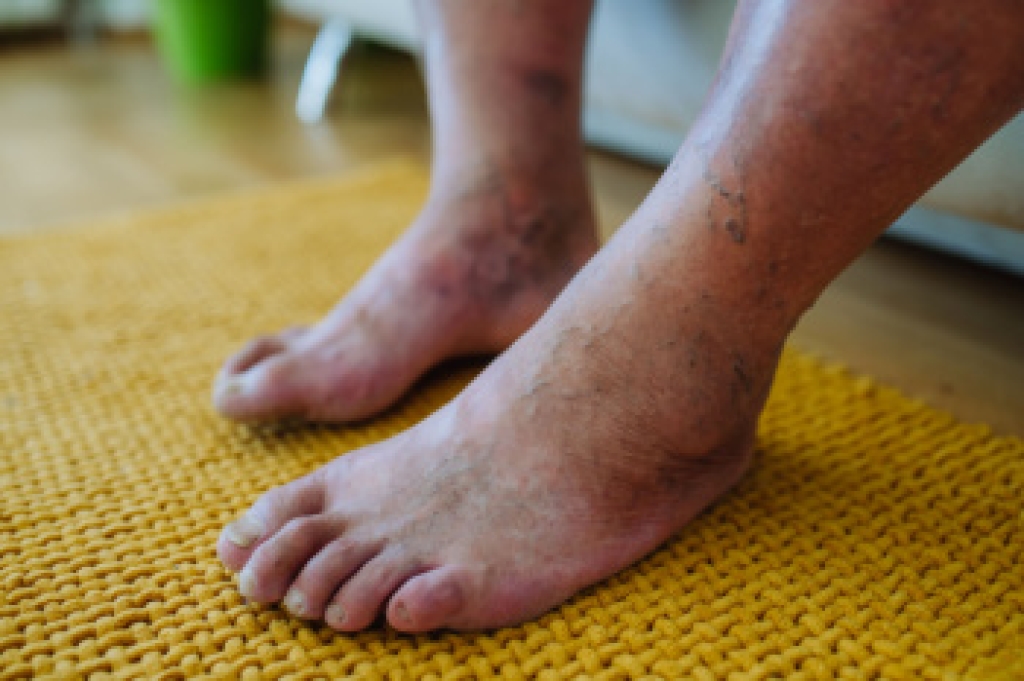
  • Edema & swelling of feet and ankles

Susceptible Infections

Diabetes and poor circulation can cause general loss of sensitivity over the years, turning a simple cut into a serious issue.

If you have any questions, please feel free to contact our office located in Springfield, TN . We offer the newest diagnostic and treatment technologies for all your foot care needs.

Read more about Elderly and their Feet

Understanding a Broken Ankle and When to Seek Care

broken ankle is a fracture of one or more bones that make up the ankle joint. It can be the result of twisting the foot, falling or experiencing a direct impact. Symptoms include sudden pain, swelling, bruising, difficulty moving the ankle, and an inability to bear weight. The area may appear deformed due to the injury. Causes range from sports accidents to simple missteps on uneven ground. A podiatrist can perform a thorough examination, order imaging, and provide treatment that supports healing, reduces pain, and restores function. If you suspect  you have broken your ankle, it is suggested that you promptly contact a podiatrist who can accurately diagnose and treat this condition.

Broken ankles need immediate treatment. If you are seeking treatment, contact Dr. Kevin Davis from Davis Foot & Ankle Centers. Our doctor can provide the care you need to keep you pain-free and on your feet. 

Broken Ankles
A broken ankle is experienced when a person fractures their tibia or fibula in the lower leg and ankle area. Both of these bones are attached at the bottom of the leg and combine to form what we know to be our ankle.

When a physician is referring to a break of the ankle, he or she is usually referring to a break in the area where the tibia and fibula are joined to create our ankle joint. Ankles are more prone to fractures because the ankle is an area that suffers a lot of pressure and stress. There are some obvious signs when a person experiences a fractured ankle, and the following symptoms may be present.

Symptoms of a Fractured Ankle

  • Excessive pain when the area is touched or when any pressure is placed on the ankle
  • Swelling around the area
  • Bruising of the area
  • Area appears to be deformed

If you suspect an ankle fracture, it is recommended to seek treatment as soon as possible. The sooner you have your podiatrist diagnose the fracture, the quicker you’ll be on the way towards recovery.

If you have any questions, please feel free to contact our office located in Springfield, TN . We offer the newest diagnostic and treatment technologies for all your foot care needs.
Read more about All About Broken Ankles

Athlete’s Foot and How to Find Relief

Athlete’s foot is a common fungal infection that affects the skin on the feet. It develops when fungus grows in warm and moist areas, often between the toes. Symptoms include an itchy and scaly foot rash, redness, cracked skin, burning, and thick white skin that may peel. Risk factors include wearing tight shoes, walking barefoot in public locker rooms, having sweaty feet, or sharing contaminated towels or footwear. Athlete's foot is caused by fungi that thrive in damp environments and can spread easily if not treated. A podiatrist can diagnose the infection, recommend effective treatments, and offer guidance to prevent it from returning. Athlete’s foot can be uncomfortable. If you have symptoms of this condition, it is suggested that you consult a podiatrist who can offer effective treatment solutions, which may include prescribed medication.

Athlete’s Foot

Athlete’s foot is often an uncomfortable condition to experience. Thankfully, podiatrists specialize in treating athlete’s foot and offer the best treatment options. If you have any questions about athlete’s foot, consult with Dr. Kevin Davis from Davis Foot & Ankle Centers. Our doctor will assess your condition and provide you with quality treatment.

What Is Athlete’s Foot?

Tinea pedis, more commonly known as athlete’s foot, is a non-serious and common fungal infection of the foot. Athlete’s foot is contagious and can be contracted by touching someone who has it or infected surfaces. The most common places contaminated by it are public showers, locker rooms, and swimming pools. Once contracted, it grows on feet that are left inside moist, dark, and warm shoes and socks.

Prevention

The most effective ways to prevent athlete’s foot include:

  • Thoroughly washing and drying feet
  • Avoid going barefoot in locker rooms and public showers
  • Using shower shoes in public showers
  • Wearing socks that allow the feet to breathe
  • Changing socks and shoes frequently if you sweat a lot

Symptoms

Athlete’s foot initially occurs as a rash between the toes. However, if left undiagnosed, it can spread to the sides and bottom of the feet, toenails, and if touched by hand, the hands themselves. Symptoms include:

  • Redness
  • Burning
  • Itching
  • Scaly and peeling skin

Diagnosis and Treatment

Diagnosis is quick and easy. Skin samples will be taken and either viewed under a microscope or sent to a lab for testing. Sometimes, a podiatrist can diagnose it based on simply looking at it. Once confirmed, treatment options include oral and topical antifungal medications.

If you have any questions, please feel free to contact our office located in Springfield, TN . We offer the newest diagnostic and treatment technologies for all your foot care needs.

Read more about Athlete's Foot

Understanding How Diabetes Affects the Feet

Diabetes can quietly change the health of your feet in many ways. Poor circulation and nerve damage can cause numbness, tingling, or burning sensations that make it hard to feel pain or temperature changes. This loss of sensitivity increases the risk of unnoticed injuries that may develop into open sores, known as foot ulcers. Skin and nail changes are also common, including dryness, thick nails, fungal infections, or even a gradual shift in foot shape, such as a collapsed arch known as rocker-bottom deformity. Type 1 diabetes tends to affect circulation earlier, while type 2 often brings slower but progressive nerve and tissue changes. Both can lead to serious complications, if left untreated. Regular foot checks, proper footwear, and prompt attention to any wounds are essential. If you have diabetes, and notice changes in your feet, it is suggested that you are under the care of a podiatrist who can help you to manage this serious condition.

Diabetic foot care is important in preventing foot ailments such as ulcers. If you are suffering from diabetes or have any other concerns about your feet, contact Dr. Kevin Davis from Davis Foot & Ankle Centers. Our doctor can provide the care you need to keep you pain-free and on your feet.

Diabetic Foot Care

Diabetes affects millions of people every year. The condition can damage blood vessels in many parts of the body, especially the feet. Because of this, taking care of your feet is essential if you have diabetes, and having a podiatrist help monitor your foot health is highly recommended.

The Importance of Caring for Your Feet

  • Routinely inspect your feet for bruises or sores.
  • Wear socks that fit your feet comfortably.
  • Wear comfortable shoes that provide adequate support.

Patients with diabetes should have their doctor monitor their blood levels, as blood sugar levels play such a huge role in diabetic care. Monitoring these levels on a regular basis is highly advised.

It is always best to inform your healthcare professional of any concerns you may have regarding your feet, especially for diabetic patients. Early treatment and routine foot examinations are keys to maintaining proper health, especially because severe complications can arise if proper treatment is not applied.

If you have any questions, please feel free to contact our office located in Springfield, TN . We offer the newest diagnostic and treatment technologies for all your foot care needs.

Read more about Diabetic Foot Conditions

It's Time for Beautiful Feet

You don't need an excuse to have beautiful nails. Step outside without worrying about the appearance of your feet.

Connect With Us