Items filtered by date: September 2023
Causes and Relief Strategies for Swollen Feet
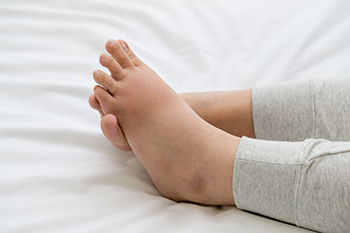
Swollen feet, a common issue that affects people of all ages, can be uncomfortable and concerning. To find relief, it is essential first to understand the underlying causes. One of the leading causes of swollen feet is fluid retention, often attributed to a sedentary lifestyle, excessive salt intake, or hormonal changes. Prolonged sitting or standing can also impede proper blood circulation, leading to swelling. Certain medical conditions, such as heart, kidney, or liver problems, can contribute to fluid buildup in the lower extremities. Another common factor is inflammation, which can result from injuries, infections, or chronic conditions such as arthritis. In some cases, medications or pregnancy may lead to incurring swollen feet. To relieve swollen feet, elevate your legs whenever possible, ideally above heart level, to encourage fluid drainage. Regular exercise, such as walking or ankle rotations, can help improve circulation. Reducing salt intake, wearing compression stockings, and staying hydrated are valuable preventive measures. If swelling persists or worsens, it is suggested that you consult a podiatrist to rule out any underlying medical conditions and explore additional treatment options.
Swollen feet can be a sign of an underlying condition. If you have any concerns, contact Dr. Kevin Davis of Davis Foot & Ankle Centers. Our doctor can provide the care you need to keep you pain-free and on your feet.
Swollen feet are a common ailment among pregnant women and people who stand or sit for extended periods. Aging may increase the possibility of swollen feet and patients who are obese often notice when their feet are swelling too. There may be medical reasons why swollen feet occur:
- Phlebitis - A condition that causes the veins to become inflamed and can also cause leg pain.
- Liver disease - This may lead to low blood levels of albumin which is a protein. This can cause fluid in the blood to pass into the tissues and several areas of the body can become swollen.
- Heart failure - When the heart doesn’t pump properly the blood that is normally pumped back to the heart can pool in the veins of the legs causing swollen feet.
- Kidney disease - One of the main functions of the kidneys is releasing excess fluid in the body. This type of condition can make it difficult for the kidneys to function properly, and as a result the feet may become swollen.
- Deep-vein thrombosis (DVT)- This is a serious condition where blood clots form in the veins of the legs. They can block the return of blood from the legs to the heart which may cause the feet to swell. It is important to be treated by a podiatrist if this condition is present.
Swollen feet can also be caused by bone and tendon conditions, including fractures, arthritis, and tendinitis. Additionally, there may be skin and toenail conditions and an infection may cause the feet to swell. Patients who take medicine to treat high blood pressure may be prone to getting swollen feet.
Many patients elevate their feet to help relieve the swelling and this is generally a temporary remedy. When a podiatrist is consulted the reason behind the swelling can be uncovered and subsequently treated.
If you have any questions please feel free to contact our office located in Springfield, TN . We offer the newest diagnostic tools and technology to treat your foot and ankle needs.
Fascinating Facts About Children's Feet
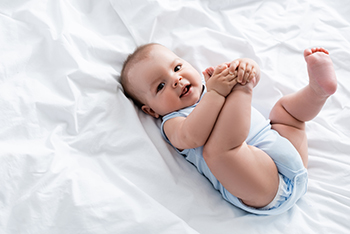
Children's feet are remarkable in their growth and development. Understanding the unique aspects of pediatric foot health can help parents and caregivers provide better care and support for their little ones. Babies are born with a soft and pliable structure in the foot called cartilage, which gradually ossifies into bones, and this process continues into late adolescence. Infants have a naturally wide and flat foot arch that develops into a more pronounced arch as they grow and their muscles strengthen. Additionally, children's feet contain approximately 200,000 sweat glands, which can make them more prone to odor and fungal infections. It is important to note that children often experience rapid growth spurts, and this can require frequent shoe replacements. Wearing ill-fitting shoes can result in foot problems, so regular foot measurements are crucial. Children's feet are a marvel of nature, constantly evolving as they mature. Paying attention to their unique characteristics and addressing issues early can promote healthy foot development and overall well-being. If you would like more information about specific details about children’s feet, it is suggested that you consult with a podiatrist.
Making sure that your children maintain good foot health is very important as they grow. If you have any questions, contact Dr. Kevin Davis of Davis Foot & Ankle Centers. Our doctor can provide the care you need to keep you pain-free and on your feet.
Keeping Children's Feet Healthy
Having healthy feet during childhood can help prevent medical problems later in life, namely in the back and legs. As children grow, their feet require different types of care. Here are some things to consider...
Although babies do not walk yet, it is still very important to take care of their feet.
Avoid putting tight shoes or socks on his or her feet.
Allow the baby to stretch and kick his or her feet to feel comfortable.
As a toddler, kids are now on the move and begin to develop differently. At this age, toddlers are getting a feel for walking, so don’t be alarmed if your toddler is unsteady or ‘walks funny’.
As your child gets older, it is important to teach them how to take care of their feet.
Show them proper hygiene to prevent infections such as fungus.
Be watchful for any pain or injury.
Have all injuries checked by a doctor as soon as possible.
Comfortable, protective shoes should always be worn, especially at play.
If you have any questions please feel free to contact our office located in Springfield, TN . We offer the newest diagnostic and treatment technologies for all your foot and ankle needs.
How to Safeguard Your Home From Falls
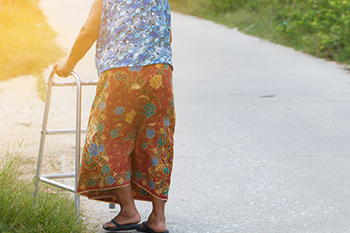
Our homes are our sanctuaries, places of comfort and security. However, they can also harbor hidden hazards that pose risks of falls, especially for children and older adults. Safeguarding your home from falls is essential for ensuring the well-being of your family. Effective fall prevention techniques can begin with good lighting. Adequate illumination in hallways, staircases, and entryways helps everyone navigate safely. Placing non-slip mats and rugs can prevent slipping on slick surfaces, such as bathroom tiles or hardwood floors. Installing handrails on staircases and in bathrooms can help to provide support, especially for those with mobility issues. Keeping walkways clear of clutter and making sure cords and cables are neatly tucked away may help to avoid tripping. Additionally, it is beneficial to regularly check and maintain the condition of flooring and stairs, and repair any loose or damaged areas promptly. By implementing these measures, you can create a safe haven, free from fall-related risks in your home. Falling can affect the feet, possibly causing daily activities to be compromised. If you would like additional information about effective fall prevention strategies, it is suggested that you speak with a podiatrist.
Preventing falls among the elderly is very important. If you are older and have fallen or fear that you are prone to falling, consult with Dr. Kevin Davis from Davis Foot & Ankle Centers. Our doctor will assess your condition and provide you with quality advice and care.
Every 11 seconds, an elderly American is being treated in an emergency room for a fall related injury. Falls are the leading cause of head and hip injuries for those 65 and older. Due to decreases in strength, balance, senses, and lack of awareness, elderly persons are very susceptible to falling. Thankfully, there are a number of things older persons can do to prevent falls.
How to Prevent Falls
Some effective methods that older persons can do to prevent falls include:
- Enrolling in strength and balance exercise program to increase balance and strength
- Periodically having your sight and hearing checked
- Discuss any medications you have with a doctor to see if it increases the risk of falling
- Clearing the house of falling hazards and installing devices like grab bars and railings
- Utilizing a walker or cane
- Wearing shoes that provide good support and cushioning
- Talking to family members about falling and increasing awareness
Falling can be a traumatic and embarrassing experience for elderly persons; this can make them less willing to leave the house, and less willing to talk to someone about their fears of falling. Doing such things, however, will increase the likelihood of tripping or losing one’s balance. Knowing the causes of falling and how to prevent them is the best way to mitigate the risk of serious injury.
If you have any questions, please feel free to contact our office located in Springfield, TN . We offer the newest diagnostic and treatment technologies for all your foot care needs.
Gout Pain Can Be Managed
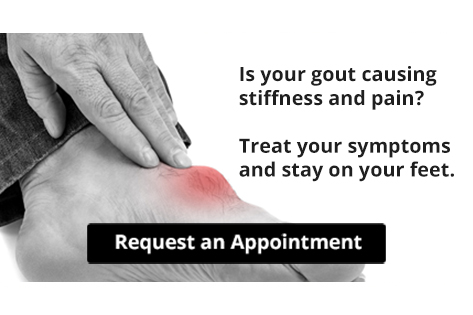
Gout is a painful, inflammatory form of arthritis. Those affected will typically feel an intense stiffness in the joints of their feet, particularly in the big toe. Schedule a visit to learn about how gout can be managed and treated.
Easy Everyday Foot Care Tips
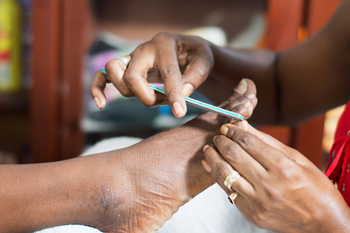
Our feet, the unsung heroes of daily life, deserve more attention than we often give them. Incorporating simple everyday foot care habits into our routines can go a long way in ensuring their comfort and health. Starting with hygiene, washing your feet daily with warm water and mild soap keeps them clean and fresh. Drying them thoroughly, especially between the toes, prevents fungal infections. Moisturizing regularly prevents dryness and cracking, aiding in overall comfort. Trimming toenails straight across and not too short prevent ingrown nails. Opting for well-fitting, breathable footwear provides support and minimizes discomfort. Elevating your feet whenever possible can help to reduce swelling and promote circulation. Practicing these straightforward yet effective methods can lead to happy, pain-free feet that support you every step of the way. If you would like more information about effective everyday foot care tips, it is suggested that you consult with a podiatrist who can provide you with the knowledge you are seeking.
Everyday foot care is very important to prevent infection and other foot ailments. If you need your feet checked, contact Dr. Kevin Davis from Davis Foot & Ankle Centers. Our doctor can provide the care you need to keep you pain-free and on your feet.
Everyday Foot Care
Often, people take care of their bodies, face and hair more so than they do for their feet. But the feet are a very important aspect of our bodies, and one that we should pay more attention to. Without our feet, we would not be able to perform most daily tasks.
It is best to check your feet regularly to make sure there are no new bruises or cuts that you may not have noticed before. For dry feet, moisturizer can easily be a remedy and can be applied as often as necessary to the affected areas. Wearing shoes that fit well can also help you maintain good foot health, as well as making it easier to walk and do daily activities without the stress or pain of ill-fitting shoes, high heels, or even flip flops. Wearing clean socks with closed shoes is important to ensure that sweat and bacteria do not accumulate within the shoe. Clean socks help to prevent Athlete’s foot, fungi problems, bad odors, and can absorb sweat.
If you have any questions please feel free to contact our office located in Springfield, TN . We offer the newest diagnostic and treatment technologies for all your foot and ankle needs.
